
It is the obtaining of utility water by treating raw water resources such as city water, well water, river water, seawater according to the characteristics of the end-use point.
Drinking water treatment facilities are built to ensure that the water used in our homes is healthy, high quality, and potable. Raw water taken from its source to drinking water treatment plants is firstly aerated. In the aeration process, the dissolved oxygen concentration in the water is increased and iron and manganese are oxidized and removed. At the same time, volatile substances that are in the water during the aeration process and give unwanted odor and taste are blown away and released into the atmosphere.
After the aeration unit, microorganisms are disinfected and oxidation of other pollutants is provided by methods such as chlorination and ozonation. In the next step, a chemical called coagulant substances are added to the water, which helps to remove solid substances. Coagulant added water is passed through rapid mixing, slow mixing, settling (clarifier) , and sand filters to remove organic and inorganic contaminants from water. The water treated at the last stage is taken to the final disinfection process and brought into compliance with drinking water standards.
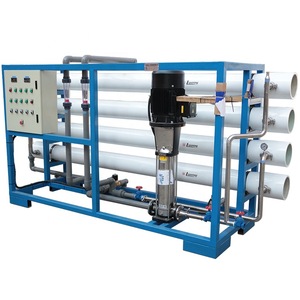
Water treatment systems are also designed for the recovery and reuse of treated wastewater. More and more membrane technologies (Reverse Osmosis, Ultrafiltration, Nanofiltration, etc.) are used for advanced treatment and recovery of water.